Services have driven the euro area economy, but productivity growth rests on a few industries
Services have been the main driver of economic growth in the euro area since the COVID-19 pandemic. The picture nevertheless varies from one industry to the next. Growth in the traditional service industries is slower than in information and communications. The wider adoption of artificial intelligence and robotics would strengthen productivity.
-
The effects of energy shocks on inflation vary surprisingly widely over time
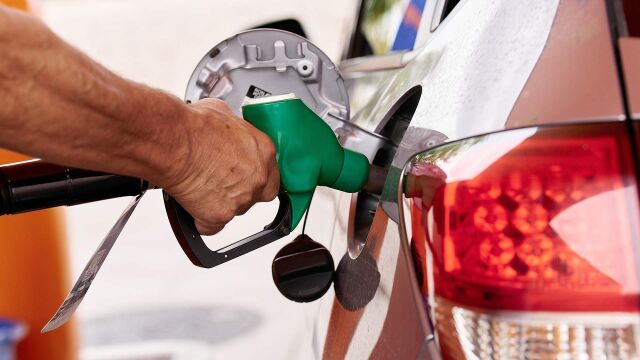
In the euro area, movements in energy prices have at different points in time had different effects on core inflation. These effects emerge with a lag, because it takes time for energy prices to pass through to other prices. Inflation expectations in the euro area are currently stable. This moderates the impact of energy shocks on core inflation.
-

Recent supply disruptions in the energy market have affected euro area inflation expectations
Energy prices have had a significant impact on inflation in the euro area since the pandemic. The oil supply disruptions caused by the war in Iran have affected inflation expectations, but the effect has been moderate despite the oil production and supply shocks being considerable.